
Self-Directed Learnership
Self-directed learnership refers to the capabilities needed to take charge of one’s own learning.
In order to enact our vision and enable each individual to choose their adventure of learning, capture moments of wonder and delight, embrace opportunities to make a difference, and shape who they can become, we must teach learners the critical skills needed for making their own choices.
Dara’s Self-Directed Learnership Ladders: An Overview
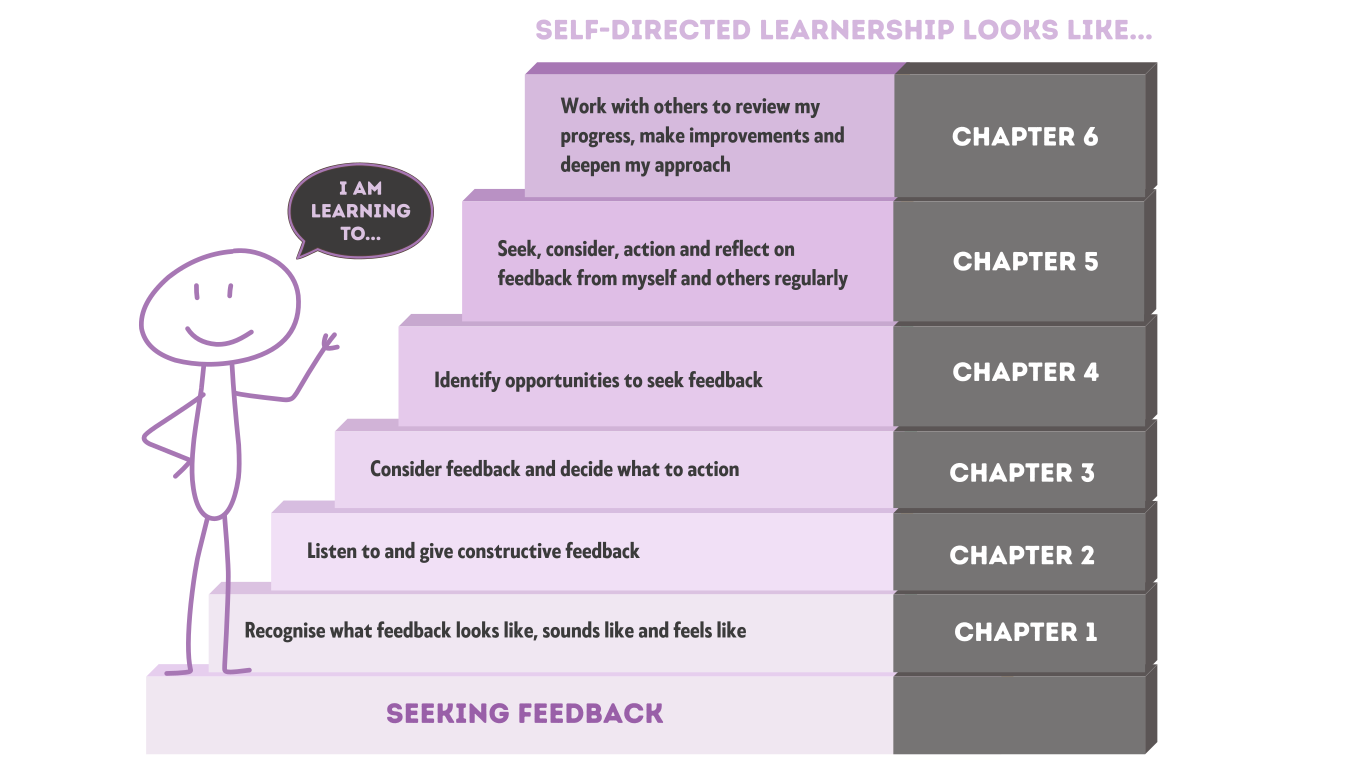
Our Self-directed Learnership Ladders chart the progression of five key skills for becoming an independent learner. Several key understandings inform the use of these resources.
Acquisition of self-directed learnership is a matter of experience, not age. A younger student who has been working towards these skills for many years may be more advanced in specific areas than a senior student who has only recently begun to develop independent learning skills. The description of each level of the ladder as a chapter is a deliberate alternative from labelling these skills according to age or academic level.
Skill development can be asynchronous. Some students may be particularly skilled in one area but still at the first chapter of another. For example, consider a student who is excellent at managing their time if another person gives them a series of tasks to do, but struggles to identify their own wants and connect their interests to their learning. Supports for each student need to match where they are at on each individual ladder.
Scaffolding is essential. Teachers at Dara explicitly support students to develop these skills through a combination of classroom routines, teaching strategies, one-on-one conversations and purposefully designed activities.
The final chapters equip lifelong learners. Dara’s vision is to support learning that goes beyond the classroom – we want to enable our students to continue loving and embracing learning for the rest of their lives. Chapter 6 of each ladder is designed to encapsulate skills that will support learners at university, in their respective workplaces and beyond.
Making Learning Relevant
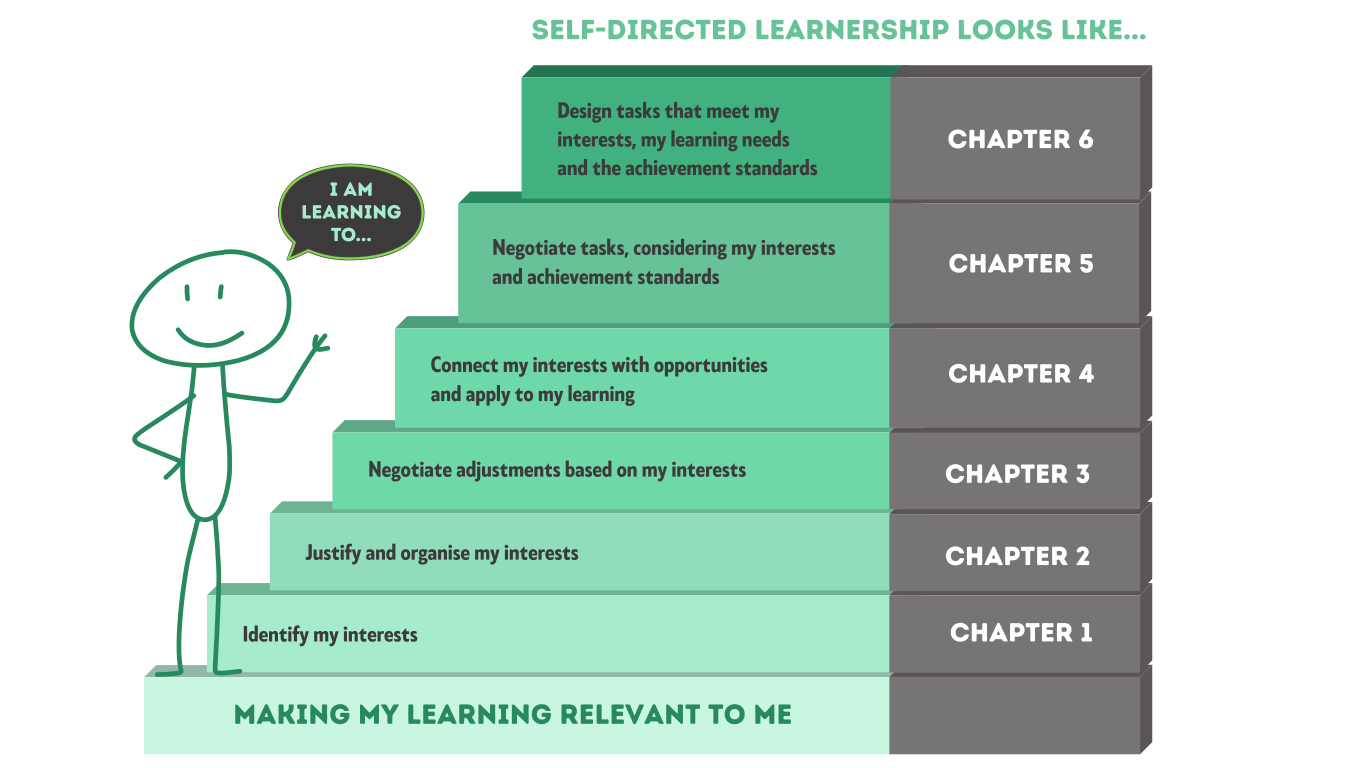
Click to expand.
Goal Setting
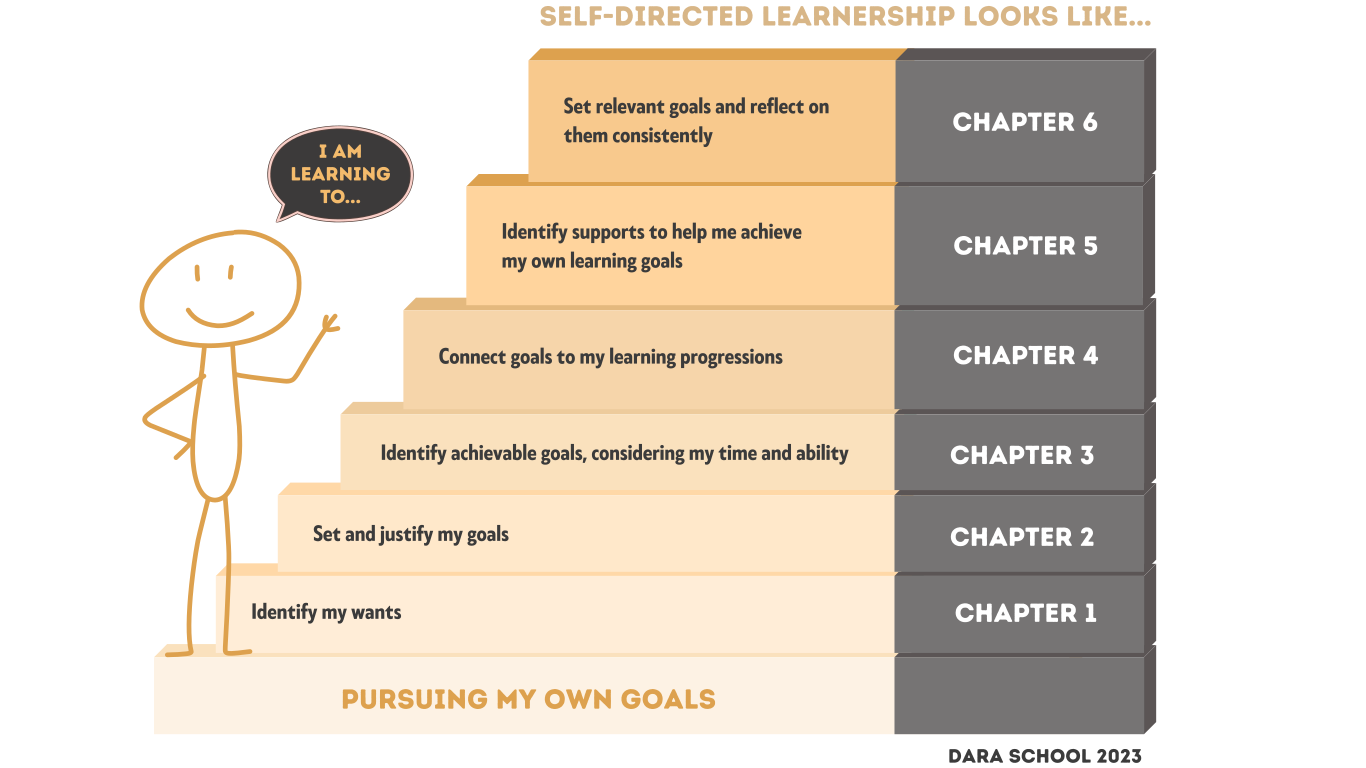
Click to expand.
Managing Time
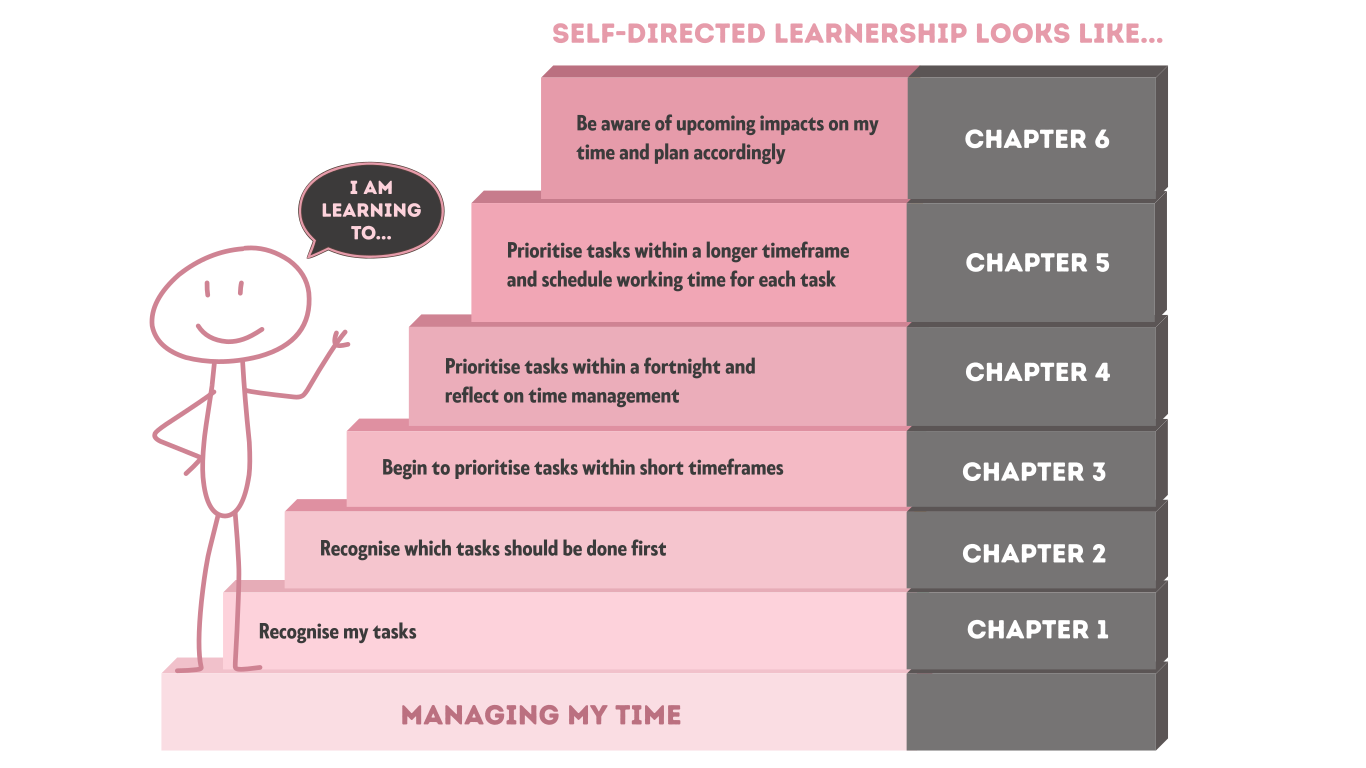
Click to expand.
Recognising Contributions
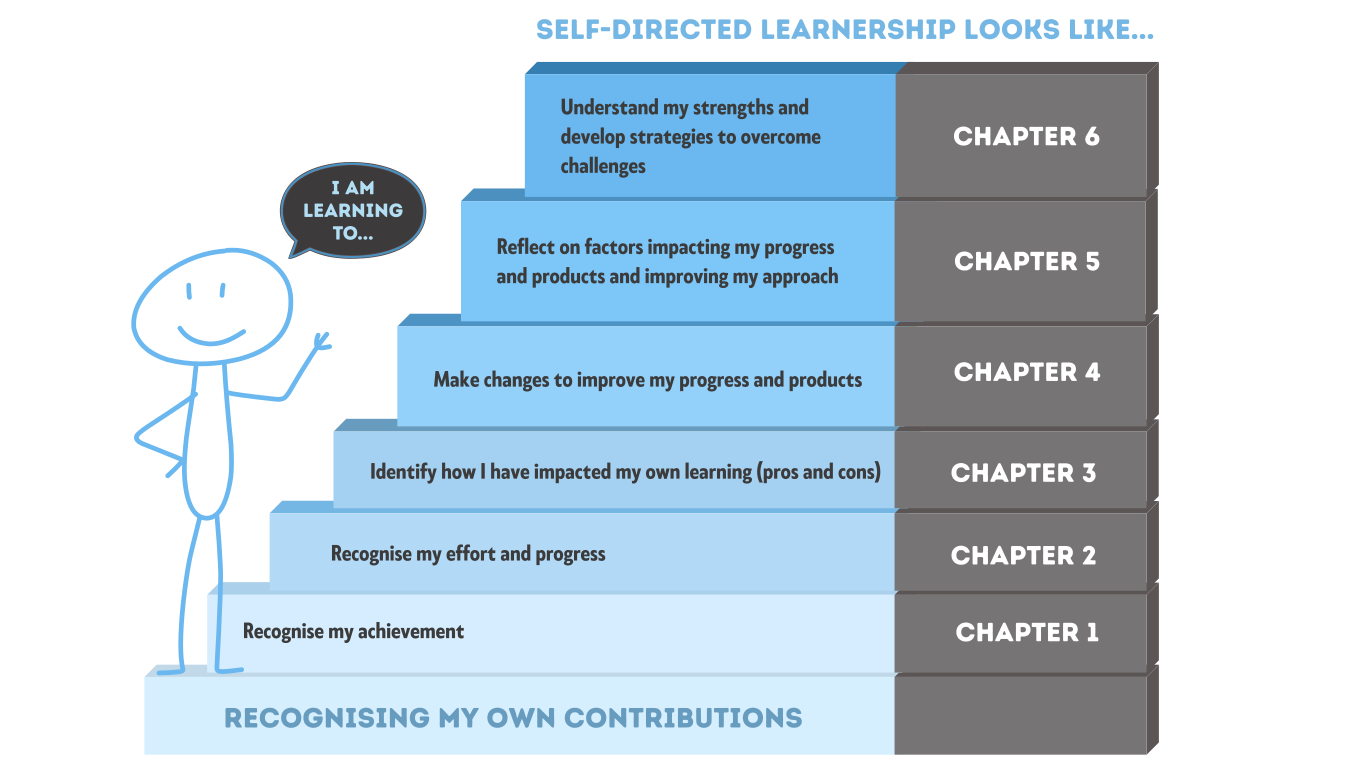
Click to expand.
Seeking Feedback
Click to expand.